



30 $
We currently only accept Crypto payments on the website. If you’d like to pay via PayPal or Credit Card, please contact us via email shoppycourses@gmail.com and we will provide you with a secure payment link

 GET EXTRA DISCOUNTS
 CHECK ALL OUR EXCLUSIVE COURSES HERE
 Sale Page: https://archive.is/WIatE
👉 Check All Exclusive Courses HERE 👈
Proof Download
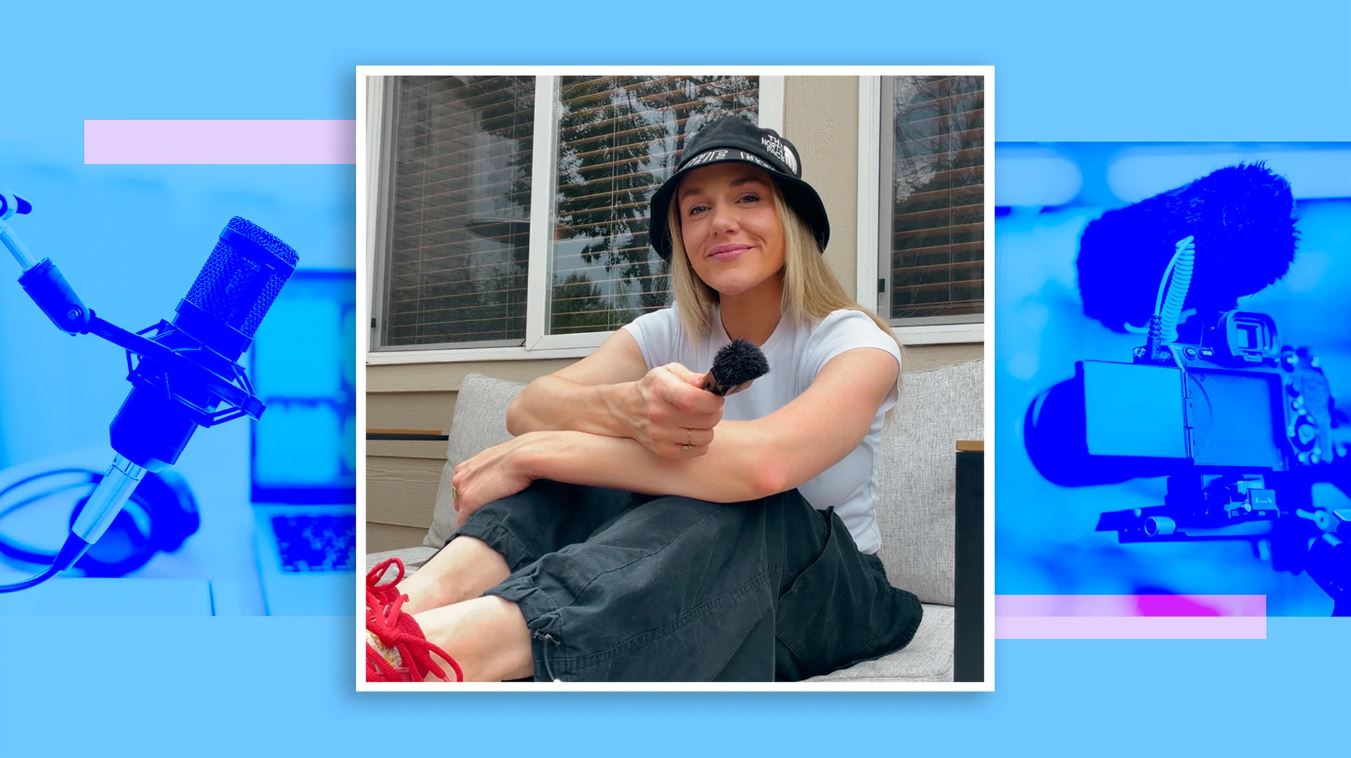
Jessi Jean – Yap on Camera Challenge
Creating content sounds simple until the camera turns on.
You know what you want to say, but suddenly your mind goes blank. You record the same sentence ten times.
You start worrying about how your voice sounds, whether you look awkward, or whether people will judge you.
That hesitation can become one of the biggest obstacles between having good ideas and actually building an audience.
Yap on Camera Challenge is built around helping creators become more comfortable speaking on camera while developing a repeatable system
for publishing short-form content consistently.
The original program is structured as a six-week posting challenge with 40 posts, daily prompts, communication training, content strategy,
and practical exercises designed to turn camera hesitation into regular publishing.
Rather than spending months consuming tutorials about content creation, the framework pushes participants toward actually recording,
publishing, reviewing, and improving.
Why Speaking On Camera Is A Valuable Skill
Short-form video has made communication one of the most important skills for creators, coaches, consultants, entrepreneurs, and personal brands.
A strong idea is not enough.
You also need to communicate it in a way that makes someone stop scrolling.
That requires more than simply reading a script.
It involves:
Voice
Timing
Tone
Facial expression
Confidence
Body language
Storytelling
Clarity
Presence
The challenge places significant emphasis on these communication mechanics rather than treating video creation as purely an editing problem.
Building Camera Confidence Through Repetition
Confidence should not be treated as a prerequisite for posting.
Instead:
Posting → Repetition → Familiarity → Skill → Confidence
This is one of the central behavioral ideas behind a challenge-based approach.
You do not have to feel ready before starting.
You become ready through doing.
Finding Your Own Content Voice
The goal should not be to become another creator.
Studying successful creators can reveal useful principles.
But your final content should reflect:
Your experience
Your language
Your humor
Your opinions
Your audience
Your expertise
The transferable skill is the framework, not imitation.
Be the first to review “Jessi Jean – Yap on Camera Challenge”
Related products

Self-help

Self-help


Health & Fitness


Health & Fitness


Seduction
Reviews
There are no reviews yet.